


 27 March 2026
Instagram SEO in 2026: How to Rank on Instagram Search and Grow Organically
27 March 2026
Instagram SEO in 2026: How to Rank on Instagram Search and Grow Organically

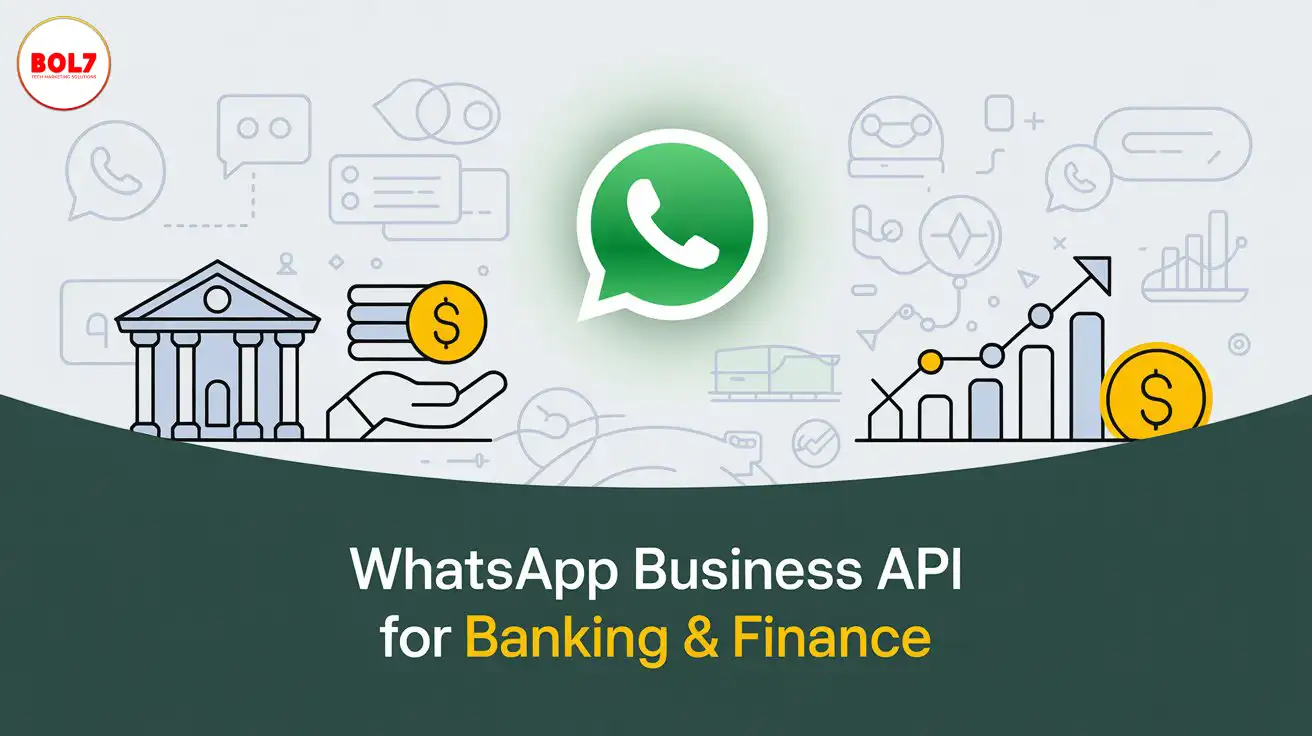
WhatsApp Business API for Banking & Finance (2026)
The banking and finance sector is undergoing rapid digital transformation. Customers now expect instant communication, fast issue resolution, personalized financial guidance, and secure transaction updates—all without visiting a branch or waiting on long support calls.
Enter the WhatsApp Business API—the most powerful communication tool for banks, NBFCs, fintech platforms, insurance companies, and lenders in 2026.
With over 2.7 billion active users, WhatsApp has become the world’s default communication platform. Its Business API empowers financial institutions to offer secure, real-time, automated, and scalable customer engagement.
This guide explains everything:
Features, security, use cases, automation flows, compliance, benefits, and future trends.
Why WhatsApp Business API Is Transforming Banking & Finance
Customers prefer WhatsApp because:
- It’s familiar
- It's always accessible
- It’s faster than calls & email
- It supports rich, interactive messaging
- It feels personal and trustworthy
But for banks and financial institutions, WhatsApp Business API becomes a strategic asset, enabling them to:
- Reduce operational costs
- Automate customer support
- Improve onboarding
- Speed up KYC verification
- Reduce loan drop-offs
- Enhance security & compliance
- Provide 24×7 financial assistance
Key Features of WhatsApp Business API for BFSI Sector
Below is a detailed breakdown of features tailored for banking and finance companies:
1. Secure Customer Authentication (OTP & Verification Codes)
Banks can send:
- Login OTPs
- Transaction verification codes
- 2-step authentication alerts
- Fraud detection alerts
WhatsApp delivers these instantly, reducing SMS delays.
Why it matters:
- Faster authentication = higher customer satisfaction + lower drop-offs.
2. Automated Customer Support with AI Bots
AI chatbots can instantly answer FAQs like:
- Account balance
- EMI dates
- Loan eligibility
- Credit card status
- Branch hours
- Transaction history
This reduces workloads on call centers and improves efficiency.
Automation supports:
- Natural language replies
- Multi-language support
- 24/7 instant responses
3. Personalized Financial Alerts & Notifications
Banks can send intelligent alerts such as:
- Low balance notifications
- EMI reminders
- Payment confirmations
- Credit card due dates
Investment maturity reminders
Impact:
- Prevents late payments, increases loan recovery, and boosts financial discipline.
4. Loan & Credit Application Automation
WhatsApp API simplifies the entire loan cycle:
- Lead capture (using Click-to-WhatsApp ads or website chat)
- Automated eligibility check
- Document submission via WhatsApp
- KYC verification & approval process
- Instant loan status updates
This reduces manual effort and speeds up approvals.
Learn More: Top 21 WhatsApp API Providers
5. KYC Documentation Made Easy
Customers can upload:
- PAN
- Aadhaar
- Address proof
- Income documents
WhatsApp supports PDF, JPEG, live image capture, and secure media transfer.
Result:
- A frictionless onboarding experience.
6. Secure Transaction Updates
Customers receive real-time messages:
- Debit/credit alerts
- UPI transactions
- Credit card purchases
- Refund status
- Failed transaction information
7. Investment Portfolio Insights
Financial institutions can send:
- SIP reminders
- Mutual fund statements
- Portfolio performance
- Personalized investment recommendations
- Market trend alerts
Outcome:
- Enhanced user engagement & better decision-making.
8. Insurance Assistance & Claims Processing
WhatsApp is ideal for insurance workflows:
- Policy renewal reminders
- Claim status updates
- Document submission
- Premium payment reminders
- Personalized advisor interaction
It reduces TAT and improves claim resolution efficiency.
Detailed Use Cases of WhatsApp API in Banking & Finance
Let's break down real industry use cases:
1. Customer Onboarding & Lead Conversion
Customers often abandon onboarding due to complex steps.
WhatsApp simplifies onboarding with:
- Forms
- Verification links
- Document collection
- AI assistant guidance
Conversion increases by 35–60%.
2. Loan Processing & Recovery Workflows
Loan Application:
- Eligibility check
- EMI calculator
- Pre-approved loan offers
- Real-time approval status
Loan Recovery Automation:
- EMI reminders
- Delayed payment alerts
- Auto-generated repayment links
- Personalized recovery messages
Result:
- Higher repayment rates with minimal manual effort.
3. Fraud Alerts & Security Communication
Banks can instantly notify users of:
- Suspicious login attempts
- Unusual transactions
- Failed card usage
- Compromised account alerts
WhatsApp ensures instant delivery + high visibility.
4. Customer Support Ticketing System
AI bots + human agents = perfect hybrid support model.
Ticket flows include:
- Query categorization
- Auto-routing
- Response tracking
- Escalation management
This reduces support burdens and ensures seamless operations.
5. Cross-Sell & Upsell with Intelligent Recommendations
Using customer data, banks can promote:
- Credit cards
- Insurance plans
- Personal loans
- Investment products
- Savings plans
Personalized WhatsApp suggestions improve conversion rates.
Benefits of WhatsApp API for Banks & Financial Companies
Reduced operational costs
- Automation reduces reliance on support teams.
Faster & transparent communication
- Real-time interactive messages create trust and clarity.
Higher customer satisfaction
- 90% of banking customers prefer WhatsApp messaging.
Secure & compliant platform
- End-to-end encryption ensures safe financial communication.
Increased loan recovery
- With automated reminders and payment links.
Strong brand presence
- Verified business profiles build credibility.
Security & Compliance for WhatsApp in BFSI
Banks must meet:
- RBI guidelines
- Data privacy regulations
- Encryption protocols
- Secure API integration
- Role-based access controls
WhatsApp API supports:
- End-to-end encryption
- ISO-certified cloud hosting
- Zero data retention in chatbots
- User consent-based messaging
Safe for financial communication.
Must Read: Complete Guide to WhatsApp Business API Setup
Future of WhatsApp in Banking (2026–2030)
Trend predictions:
- More AI-driven financial advisory
- Automated wealth management via WhatsApp
- Full-service digital branches on WhatsApp
- Voice-based banking using AI
- Advanced fraud detection bots
- WhatsApp-powered micro-lending platforms
WhatsApp will become the primary banking interface by 2030.
Conclusion
The finance world is moving toward automation, personalization, and frictionless digital engagement. WhatsApp Business API perfectly aligns with these needs.
For banks, NBFCs, fintech startups, and insurance companies, WhatsApp API enables:
- Secure communication
- Fast onboarding
- Higher conversions
- Reduced operational costs
- Better customer experience
WhatsApp is no longer just a messaging app—it's a complete digital banking platform.
⭐ FAQs: WhatsApp Business API for Banking & Finance
Yes. WhatsApp Business API uses end-to-end encryption, verified business profiles, secure hosting and strict access controls. This makes it safe for OTPs, transaction alerts and other sensitive financial communication when implemented with the right security policies.
Absolutely. Banks and financial institutions can guide customers through onboarding and KYC on WhatsApp. Customers can upload documents, receive checklists, complete verification steps and track status updates in a secure and convenient channel.
WhatsApp API allows banks and NBFCs to automate EMI reminders, due-date alerts, payment links and structured follow-up journeys. This improves customer communication, reduces defaults and leads to faster repayments and higher recovery rates.
Yes. Banks can send instant OTPs, debit and credit alerts, UPI confirmations, login notifications and fraud warnings over WhatsApp. This gives customers a fast and convenient alternative to SMS for real-time account activity.
Banks can automate balance enquiries, mini statements, loan enquiries, policy renewals, ticket creation, investment reminders, card-related support and more. A WhatsApp chatbot can handle most repetitive requests and escalate complex cases to human agents.
Yes. Insurance companies use WhatsApp to send policy updates, renewal reminders, payment links, claim acknowledgements, status updates and document requests. It reduces call centre load and improves customer experience throughout the policy lifecycle.
Yes. The WhatsApp Business API can be integrated with CRM platforms, core banking systems, loan management systems and payment gateways. This enables end-to-end automation, personalised journeys and complete visibility of every customer interaction in one place.
"This article explains how WhatsApp Business API revolutionizes the banking and finance sector by enabling secure communication, automated workflows, improved loan recovery, faster onboarding, KYC processing, and better customer engagement. It highlights key features, benefits, use cases, compliance requirements, and future trends for BFSI companies adopting WhatsApp in 2026."
Blog Comments (0)
Leave a Reply
Categories
- Performance
- Pay Per Click
- Search Engine Optimization
- Digital Marketing
- Advertising
- Election Management
- Technology
- Social Media Marketing
- Business Data Solutions
- Artificial Intelligence & Automation
- Security
- Colocation Services
- Company Registration UAE
- WhatsApp Business API
- Digital Tools
- Business Messaging
- Business Communication
Recent Post





Popular Categories
Related Blogs & Article
WhatsApp API to Send Message: How Businesses Automate Messaging at Scale in 2026
Learn how to use WhatsApp API to send messages, automate communication, and improve customer engagement. Discover features, benefits, and real business use cases in 2026.
WhatsApp Business API News Today: Latest Updates, Features, and What Businesses Need to Know in 2026
Stay updated with the latest WhatsApp Business API news today. Discover new features, pricing updates, AI chatbot integrations, and how businesses are using WhatsApp API to improve customer communication and automation in 2026.

How to Choose the Best WhatsApp Business API Provider in India: A Detailed Buyer’s Guide for 2026
Learn what a WhatsApp Business API provider in India does, how pricing works, key features to check, common mistakes to avoid, and how to choose a reliable partner for 2026.
WhatsApp Business API Provider in India: A Complete, Practical Guide for Businesses in 2026
This guide explains what a WhatsApp Business API provider in India does, pricing models, use cases, compliance, and how businesses can choose the right provider for scalable growth in 2026.
Top 10 WhatsApp Business API Providers in 2026
Compare the top 10 WhatsApp Business API providers in 2026. Explore features, pricing, automation tools, support quality, and integrations to choose the right BSP.
WhatsApp Business API Pricing: Complete Cost Breakdown & Guide (2026)
WhatsApp Business API pricing is based on conversation types, not messages. This guide explains message costs, setup fees, free conversations, and how businesses can calculate and optimize WhatsApp API pricing effectively.
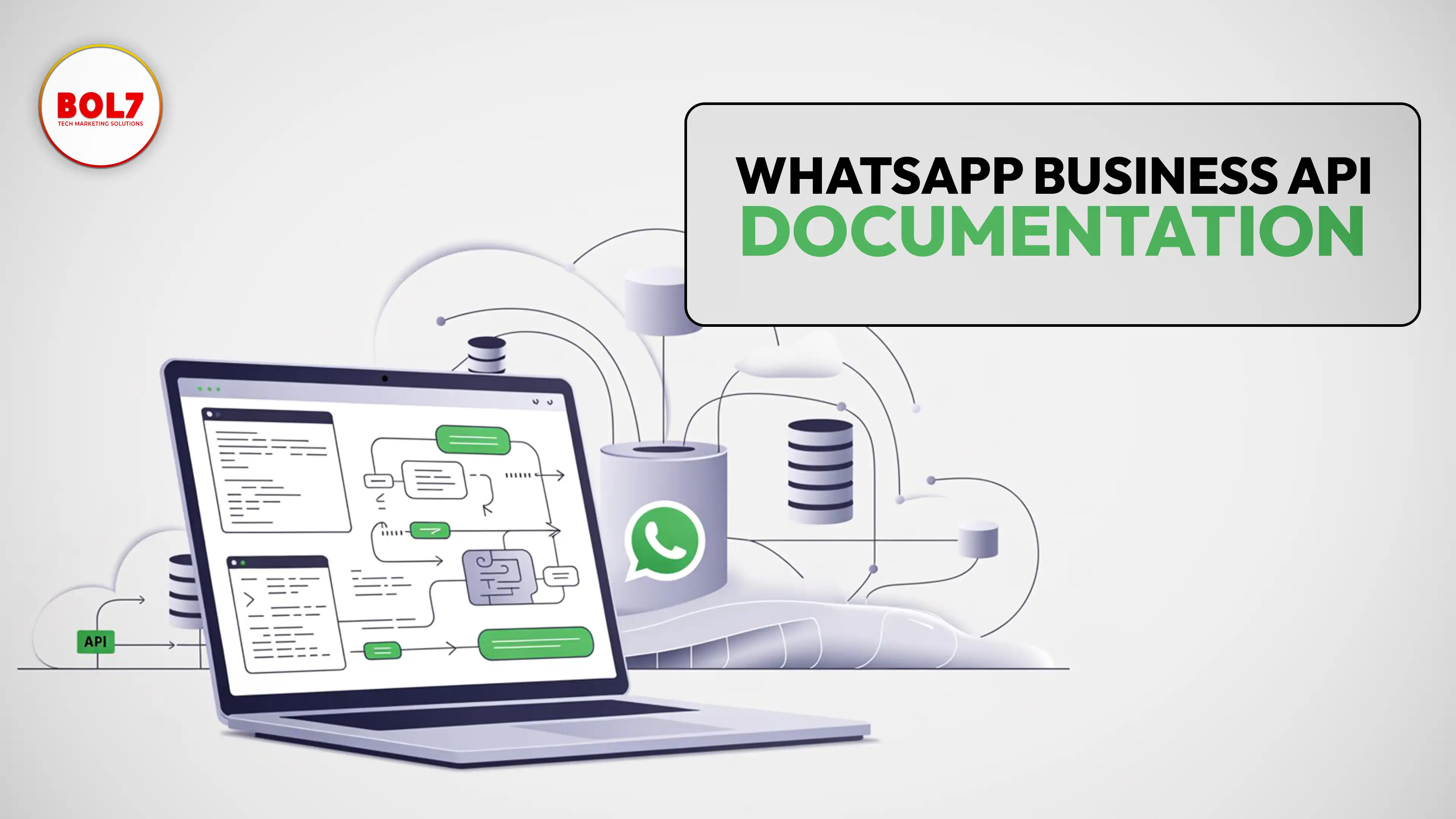
WhatsApp Business API Documentation – Complete Guide for Businesses
clear and complete guide to WhatsApp Business API documentation, covering Cloud API, message templates, pricing, webhooks, onboarding, and best practices for businesses.
WhatsApp Business API for Insurance Companies: Automation, Security & Growth
WhatsApp Business API helps insurance companies automate policy onboarding, premium reminders, claims updates, document collection, and customer support—delivering faster, secure, and more reliable communication across the insurance lifecycle.
How Stock Broker Companies Can Use WhatsApp Business API in 2026
The WhatsApp Business API helps stock brokers automate client communication, deliver instant trade alerts, simplify onboarding, and enhance customer experience. This guide explains features, use cases, benefits, automation, and best practices for brokers.


Ready To Take Your SEO To The Next Level
Effective SEO strategies not only elevate a website's visibility but also drive targeted traffic, enhance user experience.
Get WhatsApp Business API for Banking & Finance
Want to automate KYC, loan reminders, customer support, and secure banking communication? Click below to activate WhatsApp Business API for your financial institution.
Buy Now


Get In Touch
 [email protected]
 +91 70650 40985
- live:hemant_136
 A-27J, Noida Sec 16, Gautam Buddha Nagar, Uttar Pradesh 201301
ⓒ 2024 BOL7 All Rights Reserved