


 10 March 2026
Best SMM Panel in India: How to Choose the Right SMM Service Provider in 2026
10 March 2026
Best SMM Panel in India: How to Choose the Right SMM Service Provider in 2026

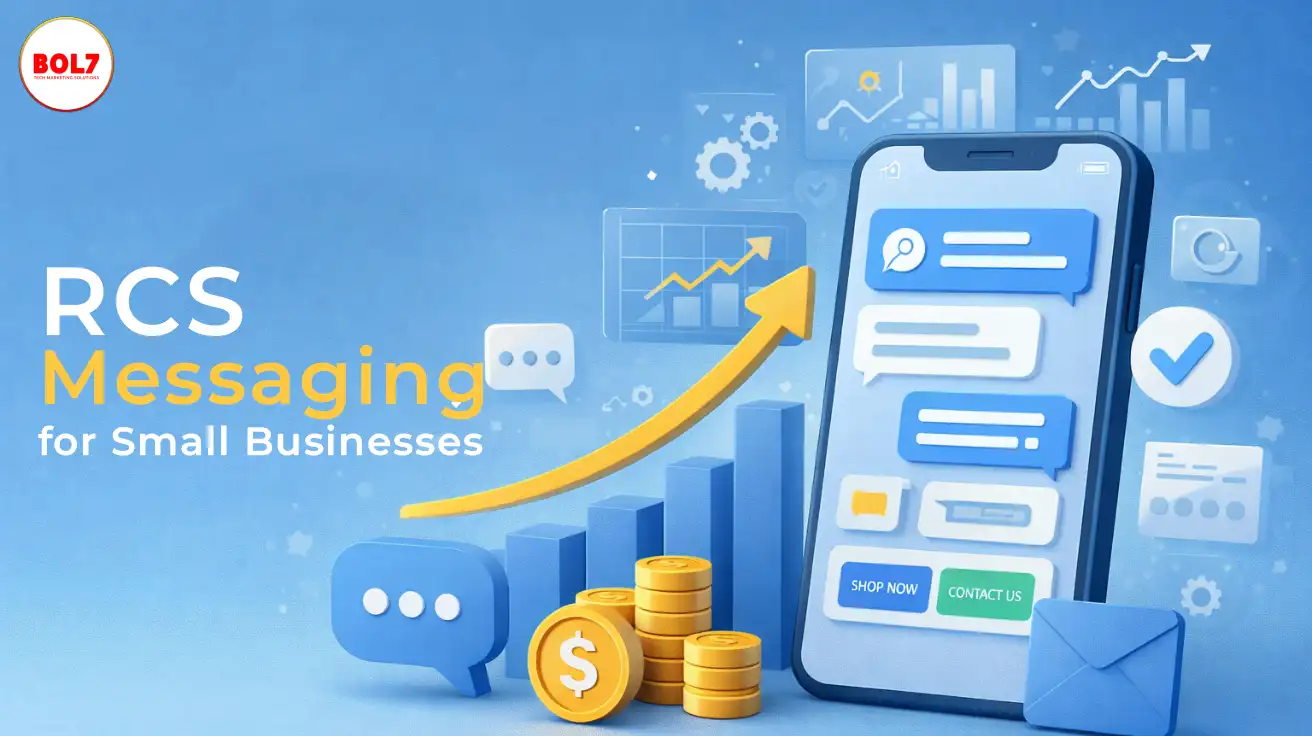
RCS Messaging for Small Businesses: A Complete Growth Guide
Small businesses today operate in a highly competitive environment where customer attention is limited and expectations are high. Customers want fast replies, rich information, and easy interaction—yet many small businesses still rely on traditional SMS or email, which often fail to deliver engagement.
This is where RCS messaging for small businesses emerges as a powerful, modern communication channel. RCS (Rich Communication Services) transforms basic text messages into interactive, visually rich conversations delivered directly to the customer’s default messaging app.
In this guide, we’ll explore what RCS messaging is, why it matters for small businesses, how it compares to SMS and chat apps, key use cases, benefits, pricing considerations, and how small businesses can adopt RCS effectively.
What Is RCS Messaging?
RCS messaging is the next evolution of SMS. It is designed to provide a chat-like experience within the native messaging app on Android devices, without requiring users to install any third-party application.
Unlike traditional SMS, RCS supports:
- High-resolution images and videos
- Branded sender profiles with logo and business name
- Interactive buttons and quick replies
- Read receipts and delivery confirmation
- Product cards and carousels
- Two-way messaging
For small businesses, this means they can communicate with customers in a way that feels modern, professional, and engaging—without the complexity of building or promoting a mobile app.
Why RCS Messaging Matters for Small Businesses
Small businesses often face challenges such as limited marketing budgets, lack of automation tools, and difficulty standing out from competitors. RCS messaging addresses these pain points directly.
- Higher Engagement Than SMS: RCS messages look more like chat app messages than plain texts. As a result, customers are more likely to open, read, and interact with them.
- No App Download Required: One of the biggest advantages of RCS messaging for small businesses is that customers don’t need to install anything. Messages appear directly in their default inbox, removing friction and increasing reach.
- Builds Trust Through Branding: With verified sender profiles, business logos, and brand colors, RCS helps small businesses appear credible and trustworthy—especially important for first-time customers.
- Cost-Effective Communication: While RCS may cost slightly more than SMS per message, it delivers significantly better ROI due to higher engagement, clicks, and conversions.
- Enables Two-Way Interaction: Customers can reply directly to RCS messages, turning one-way notifications into real conversations.
Common Use Cases of RCS Messaging for Small Businesses
- Promotions and Offers: Small businesses can send visually appealing promotional messages with images, discounts, and “Buy Now” or “Learn More” buttons. These interactive elements drive immediate action compared to plain-text promotions.
- Appointment Booking and Reminders: Service-based businesses—such as salons, clinics, consultants, and repair services—can use RCS to send appointment reminders with buttons like Confirm, Reschedule, or Call Business, reducing no-shows.
- Order Confirmations and Delivery Updates: Retailers and local sellers can share order confirmations, invoices, and delivery tracking using branded rich cards instead of simple text messages.
- Customer Support and FAQs: RCS allows businesses to provide quick replies and menu-driven options for common questions, improving response times and reducing manual workload.
- Lead Generation: Interactive buttons can guide users to websites, contact forms, or direct calls, making RCS an effective lead-generation channel.
RCS Messaging vs Traditional SMS
Traditional SMS is limited to text-only communication and lacks engagement tracking. RCS addresses these limitations by adding interactivity and visibility.
SMS limitations:
- No branding
- No media support
- No buttons or CTAs
- No read receipts
- Low engagement
RCS advantages:
- Verified business identity
- Rich media and visuals
- Interactive buttons
- Read and delivery status
- Higher engagement and response rates
For small businesses looking to modernize communication, RCS is a clear upgrade over SMS.
RCS Messaging vs Chat Apps
Many small businesses also consider chat apps like WhatsApp for customer communication. While chat apps are powerful, RCS offers a different kind of value.
RCS works inside the native messaging app and does not require customer opt-in through app installation. This makes it ideal for reaching customers at scale, especially those who may not use or prefer chat apps.
In practice, many businesses use RCS alongside chat apps to cover different customer preferences.
Is RCS Messaging Secure for Small Businesses?
Yes. RCS messaging includes several security and trust features:
- Verified business sender profiles
- Carrier-level spam protection
- Message authentication
- Compliance with telecom guidelines
These features help protect customers from spam and ensure businesses maintain credibility.
Pricing Considerations for Small Businesses
RCS messaging pricing typically depends on:
- Message volume
- Type of campaign (promotional or transactional)
- Rich media usage
- Service provider pricing model
While exact costs vary, RCS often delivers better value than SMS because higher engagement leads to better conversion rates, making it cost-effective for small businesses focused on growth.
How Small Businesses Can Get Started with RCS Messaging
Adopting RCS messaging usually involves the following steps:
- Choose an RCS messaging service provider
- Complete business verification
- Set up branding (logo, business name, colors)
- Create rich message templates
- Launch campaigns and monitor performance
Some providers, including Bol7, assist small businesses with onboarding, verification, branding setup, and campaign management to simplify the adoption process.
Best Practices for RCS Messaging for Small Businesses
- Keep messages short, clear, and action-oriented
- Use visuals that add value, not clutter
- Include a clear call-to-action in every message
- Segment your audience for better targeting
- Track engagement and optimize campaigns regularly
Following these practices ensures that RCS campaigns remain effective and customer-friendly.
The Future of RCS Messaging for Small Businesses
RCS adoption is growing as Android usage increases and telecom support expands. In the coming years, small businesses can expect:
- Wider device and carrier compatibility
- AI-driven automation and chatbots
- Advanced analytics and personalization
- Better integration with CRM and ecommerce platforms
RCS is not replacing chat apps—it is modernizing SMS and making native messaging relevant again for business communication.
Final Thoughts
RCS messaging for small businesses offers a powerful balance of reach, interactivity, and trust. It enables small brands to communicate like large enterprises—without high costs or technical complexity.
By upgrading from traditional SMS to RCS, small businesses can improve customer engagement, increase conversions, and build stronger relationships, all through the messaging app customers already use every day.
For small businesses looking to future-proof their communication strategy, RCS messaging is a smart and scalable next step.
FAQs: RCS Messaging for Small Businesses
1. What is RCS messaging for small businesses?
RCS messaging for small businesses upgrades SMS into rich, interactive communication with branding, media, buttons, and higher customer engagement through the native messaging app.
2. Do customers need to install any app for RCS messages?
No. RCS messages are received directly in the default Android messaging app, so customers don’t need to download or install any additional applications.
3. How does RCS messaging benefit small businesses?
RCS messaging helps small businesses improve engagement, build trust through branding, increase conversions, and communicate professionally without relying on third-party messaging apps.
4. Is RCS messaging more effective than SMS?
Yes. RCS delivers higher open rates, interactive features, read receipts, and rich media, making it significantly more effective than traditional SMS.
5. Is RCS messaging secure for small businesses?
Yes. RCS supports verified business profiles, spam protection, and secure carrier-based delivery, ensuring safe and trustworthy communication with customers.
"This article explains how RCS messaging helps small businesses modernize customer communication. It highlights benefits, use cases, security, pricing considerations, and best practices to drive engagement and growth using rich messaging."
Blog Comments (0)
Leave a Reply
Categories
- Performance
- Pay Per Click
- Search Engine Optimization
- Digital Marketing
- Advertising
- Election Management
- Technology
- Social Media Marketing
- Business Data Solutions
- Artificial Intelligence & Automation
- Security
- Colocation Services
- Company Registration UAE
- WhatsApp Business API
- Digital Tools
- Business Messaging
- Business Communication
Recent Post


Popular Categories
Related Blogs & Article
Top RCS Providers in India: Best RCS Messaging & Business Messaging Software (2026)
Explore RCS providers in India, RCS availability and coverage, RBM APIs, pricing factors, enterprise use cases, and how to choose the best RCS service provider for 2026 campaigns.
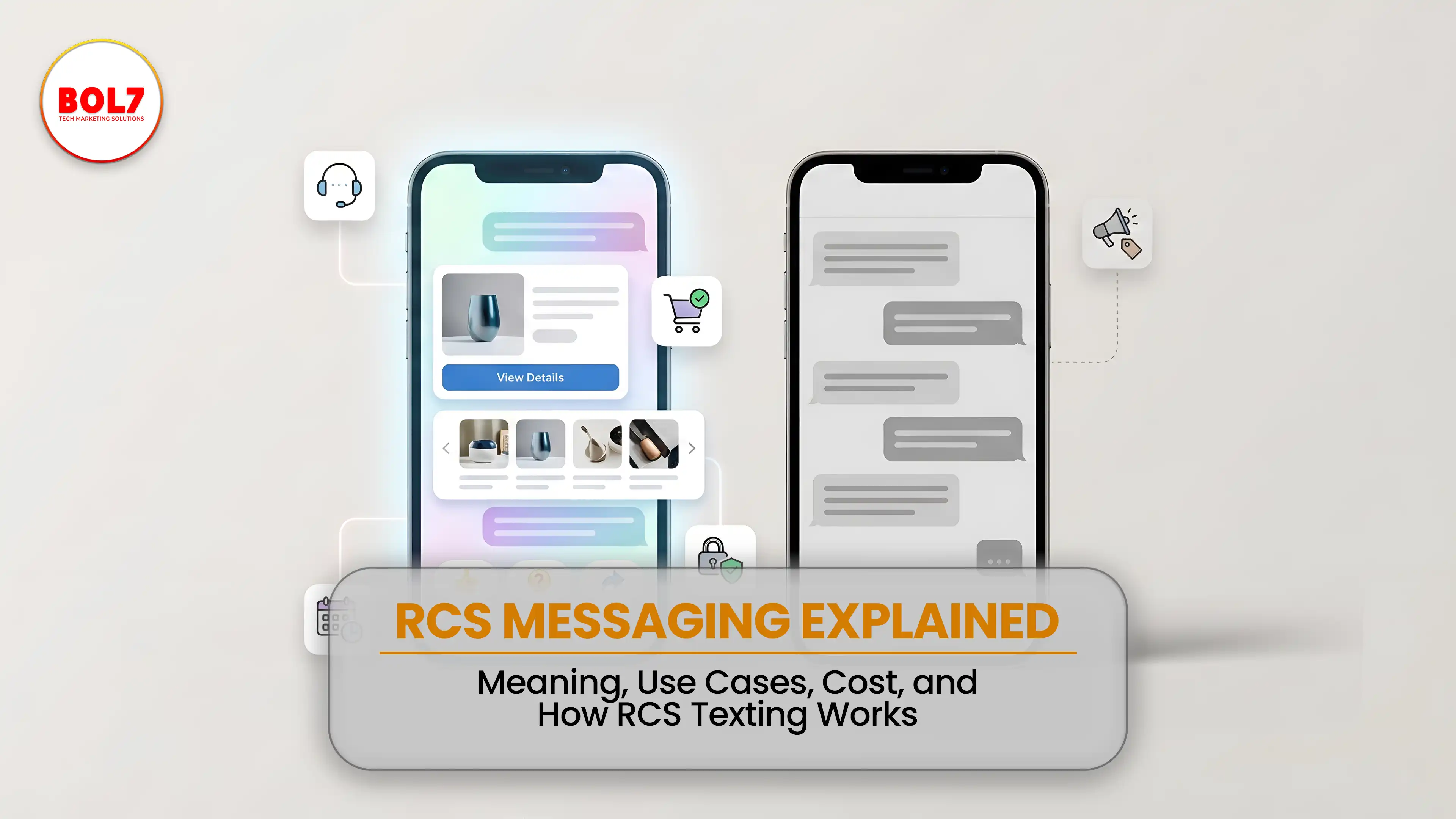
RCS Messaging Explained: Meaning, Use Cases, Cost & How RCS Texting Works
Learn what RCS messaging is, how it works, key features, business use cases, benefits, and costs. A complete guide to RCS texting for modern customer communication.
Bulk SMS Service Provider: The Complete Business Communication Guide (2026)
A complete guide to bulk SMS services, pricing, DLT compliance, use cases, benefits, and how businesses use bulk SMS for marketing, alerts, and customer engagement.
RCS Messaging Services Provider in India: Complete Business Guide (2026)
RCS Messaging Services Providers in India help businesses deliver rich, interactive, and branded messages directly to mobile inboxes. This guide explains RCS features, use cases, benefits, pricing, and how businesses can get started in 2026.
What Is RCS Messaging? The Ultimate Guide for Businesses in 2026
A complete guide to RCS Messaging in 2026—explaining features, benefits, pricing, business use cases, RBM, and how RCS is transforming SMS into a rich, app-like messaging experience.
What Is RCS Messaging? (2026 Complete Guide to Rich Communication Services)
RCS messaging is the next-generation alternative to SMS that enables rich media, verified sender profiles, buttons, and interactive communication inside the default messaging app. Learn what RCS messaging is, how it works, and how businesses can use RCS Business Messaging in 2026.
SMPP to WhatsApp: Complete Guide to Modern Business Messaging
Learn how to upgrade from SMPP-based SMS to WhatsApp Business messaging, integrate both channels, improve engagement with rich conversations, and use WhatsApp-first, SMS-fallback routing for secure, scalable customer communication flows.


Ready To Take Your SEO To The Next Level
Effective SEO strategies not only elevate a website's visibility but also drive targeted traffic, enhance user experience.
Upgrade SMS to RCS for Better Engagement
Transform basic SMS into rich, interactive messages. Use RCS messaging to engage customers, build trust, and grow your small business with modern, app-free communication.
Buy Now


Get In Touch
 [email protected]
 +91 70650 40985
- live:hemant_136
 A-27J, Noida Sec 16, Gautam Buddha Nagar, Uttar Pradesh 201301
ⓒ 2024 BOL7 All Rights Reserved